Confirm the appointment you have booked
An eye exam booking can mean different things depending on the practice and the reason for the visit. Read your confirmation and ask the office to identify the planned appointment: a general examination, a referral consultation, a follow-up or another service. Mention if you also want to discuss glasses or contact lenses. Do not assume that every appointment includes a new prescription or a contact lens fitting.
The American Optometric Association's overview of comprehensive eye examinations describes an assessment involving more than a vision screening. Ask the clinic what its booked visit covers, who you will see and how much time to allow. A useful booking note contains the purpose, clinician, address, arrival time and anything the office says must arrive in advance. Check that a referral request matches this note.
Gather the records the clinic requests
Ask the receiving practice which previous records it needs and how to send them securely. This may involve contacting a previous eye care office or the clinician who referred you. Record the sender, the date requested and the receiving contact. If you cannot obtain something before the visit, tell the clinic and ask how it wants to proceed rather than silently assuming the transfer happened.
Complete the clinic's history form accurately. Have a current medication and allergy list available, along with information the form requests about previous eye care and relevant family history. Bring existing eyewear and prescription documents if the clinic requests them; label older paperwork with its date so it is not confused with a current document. Preparation is about supplying a reliable history, not interpreting old test results or changing a care plan yourself.
Describe your experience in ordinary language
Write down the reason you are attending and any changes you want to discuss. Note when you first noticed a concern, whether it has changed and how it affects tasks such as reading or work. Keep observations separate from a diagnosis you encountered online. If a clinician already gave you a diagnosis or referral, bring that document so the eye care team can distinguish established information from a question you want assessed.
Choose a small number of priorities to raise at the beginning. The National Eye Institute's communication guide recommends preparing questions and asking for explanations you understand. Your note could ask what the examination is intended to assess, when results will be discussed and what happens next. If your concern changes before the appointment, contact the clinic for advice about the booking rather than using this checklist to judge timing.
Get preparation and travel instructions from the clinic
Ask whether the booked appointment has specific preparation requirements and request the instructions in writing if possible. For contact lens wear, medicines, anticipated testing or travel arrangements, use the treating clinic's directions for your actual appointment. If wording is unclear or two messages conflict, contact the office to resolve it. Do not borrow a preparation schedule from a different person's visit or a different type of examination.
Plan the rest of your day only after asking about the expected visit length and any arrangements the clinic recommends. State practical constraints such as needing a support person, arranging transport or returning to work. Ask when the office can answer unresolved questions and save that contact. This lets you make appropriate arrangements without guessing about particular tests, effects or instructions from a general description of eye care.
Sort out access and expected charges
Tell the office in advance if you need an interpreter, accessible entry, help with forms or another communication arrangement. Ask how to request the support and confirm it in the appointment note. If someone will attend with you, check the office's arrangements and decide what you want that person to help remember. Bring your own question list even when you have support, so the conversation begins with your priorities.
Ask which identification, referral and benefit details the clinic needs. Request an explanation of expected charges for the booked services and clarify any separate examination, refraction or contact lens fitting charges that might apply. Check the proposed visit with your plan and retain its response alongside the office estimate. An appointment reminder or an insurance logo on a website does not establish the final payment terms for your individual visit.
Finish with a written next-step checklist
Before the visit, check your confirmation, requested records, history information, question note and the clinic's preparation instructions. Keep these together in a format you can access during the appointment. On arrival, tell staff about missing records or changes to your information. Ask when your main questions will be discussed so they do not remain unanswered while you move between testing, examination and checkout.
Before leaving, confirm what was assessed, whether any results remain pending and who will contact you. Ask for written instructions and clarify the next appointment or referral if one is recommended. If you need a prescription document, establish which type was determined and how it will be supplied. Save your notes after the visit, with the clinic's contact for follow-up questions, rather than relying on memory to reconstruct the plan later.
Use the local directory to find locations to contact, then confirm the service and arrangements directly with the business.
Published 2026-11-11 · reviewed with each rebuild, last November 2026.
Find eye care practices near you
The directory lists 36,124 eye care practices by state and city — pick your state or use the “Near me” button in the header.
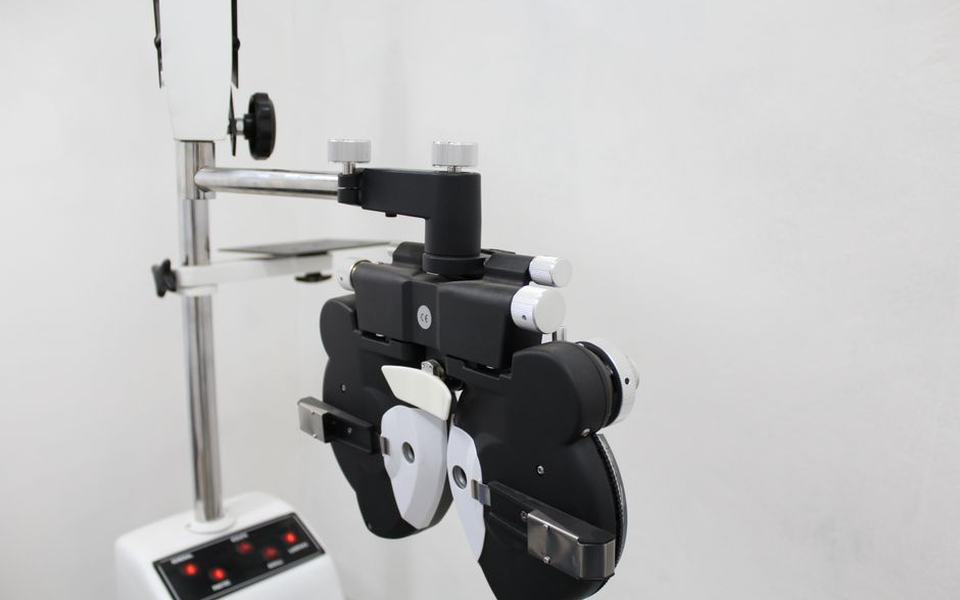 Choosing Care
 Prescriptions